One Path, Many Teachers: What Each Ajahn Keeps Pointing At
A lay practitioner's map of Thai Forest teachers and the different qualities they emphasise when meditation gets stuck.

They are teaching the same path. They just lean on different levers.
I sit for about an hour a day in the Thai Forest style that comes down through Ajahn Mun and Ajahn Chah. On Sundays I offer alms at Dhammagiri outside Brisbane. And like many lay practitioners with a phone and a commute, I also listen. A lot.
At some point the listening stopped feeling random. Certain teachers kept showing up in my saved talks. Each one stressed something that others treated more lightly. The same Four Noble Truths. The same Eightfold Path. Different doors into the room.
This is my working map of those doors, with links to the channels I actually use. It is not a ranking and it is not a claim that these short descriptions capture everything each teacher offers. It is a layperson’s field guide to emphasis.
The portraits in this article are AI-generated illustrations based on public reference photographs.
Why Compare Teachers?
Because practice gets stuck in familiar ways.
Sometimes the mind is restless and needs warmth. Sometimes it is sentimental and needs precision. Sometimes it is clever and needs to put the burden down. A good teacher match is less about choosing a brand and more about finding the medicine that fits the current illness.
If one Ajahn leaves you cold, try another teacher in the tradition before deciding that the whole tradition is not for you.
The Roots: Ajahn Mun and Ajahn Chah
Ajahn Mun
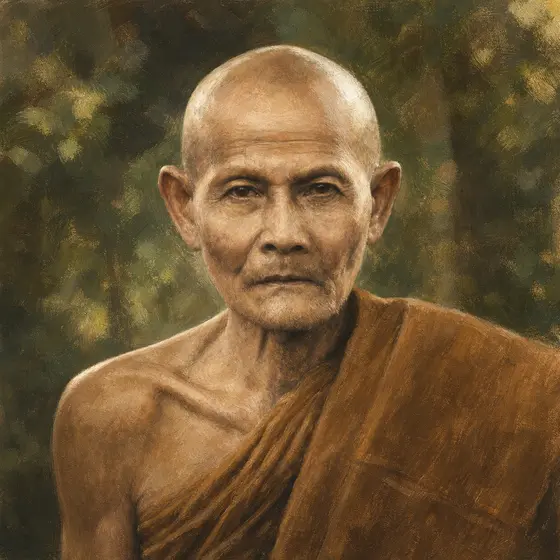
Ajahn Mun is the fire at the base of the modern Thai Forest revival. The emphasis I hear is austere and direct: purify the heart through seclusion, contemplation of death, and relentless honesty about what the mind is doing. Less comfort. More seeing.
Ajahn Chah
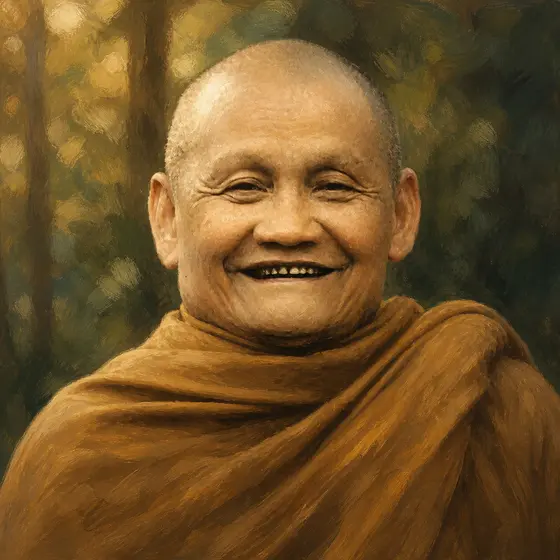
Ajahn Chah made that force accessible to ordinary minds. His teaching is simple and sharp: know the mind, do not believe every story it tells, and learn to let go. Stop feeding agitation. Return to direct experience. See that everything changes.
Several teachers below stand directly in Ajahn Chah’s lineage. Others belong to the wider Thai Forest tradition, or help me understand the early Buddhist texts behind it.
Ajahn Kalyano: Put the Burden Down in Ordinary Life
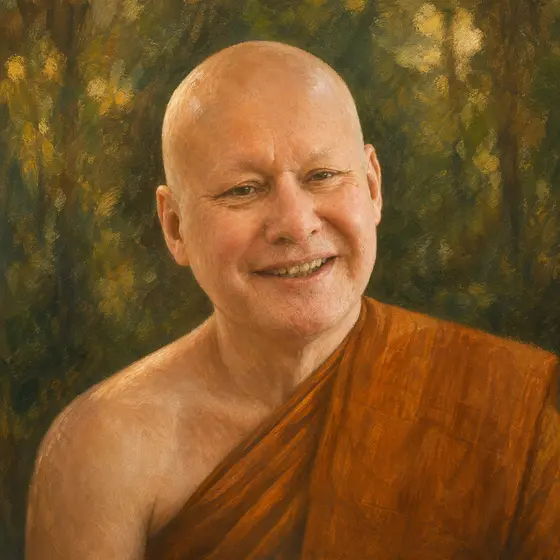
Talks by Ajahn Kalyano · Buddha Bodhivana Monastery
If my saved talks are any signal, this is the teacher I return to most. The titles alone form a curriculum: patience, bowing, forgiveness, virtue, self-aversion, old conditioning, and “knowing the ordinary.”
What I hear most strongly is practical release. Awakening is not merely an idea for cave yogis. Practice happens through careful virtue, seeing how we turn suffering into a self, and learning to set the burden down in daily life. Less fascination with cosmology. More mind training I can use after work.
Thanissaro Bhikkhu: Skillful Fabrication
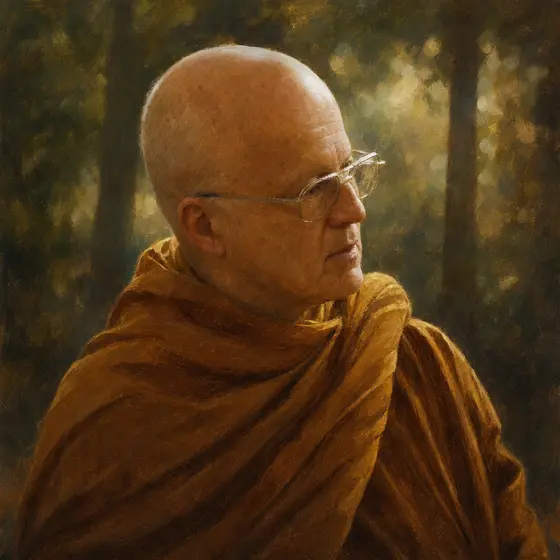
Talks and books at dhammatalks.org
Ajaan Geoff’s distinctive stress is agency. He teaches working with the breath as whole-body energy, beginning practice with goodwill, and understanding kamma as a field of choices in the present rather than a form of fatalism.
You do not simply let go of everything at once. You develop skillful qualities and use concentration and discernment as tools. First do the work well. Then, when they have done their job, put the tools down. If some teachers soften the path, Thanissaro engineers it.
Ajahn Brahm: Kindness That Deepens Into Stillness
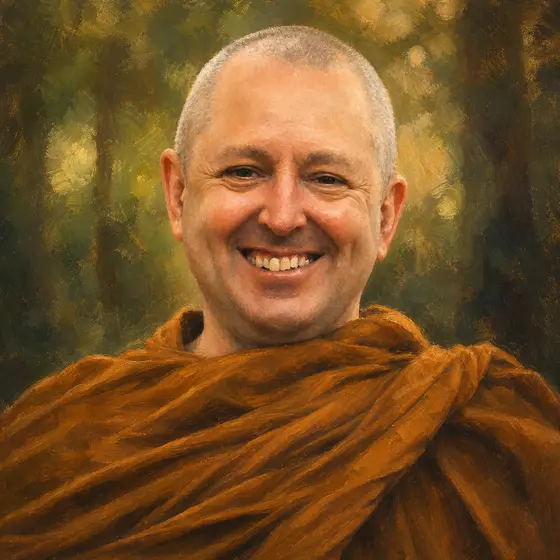
Buddhist Society of Western Australia
Ajahn Brahm’s lever is happiness. Make peace with the mind. Stop treating meditation as a forced march. Let go until the mind brightens, then allow that ease to deepen into stillness.
His particular gift is permission: humour as pedagogy, and emptiness as relief rather than a philosophical puzzle. When practice has become grim, he is often the right medicine.
Ajahn Punnadhammo: Map the Territory
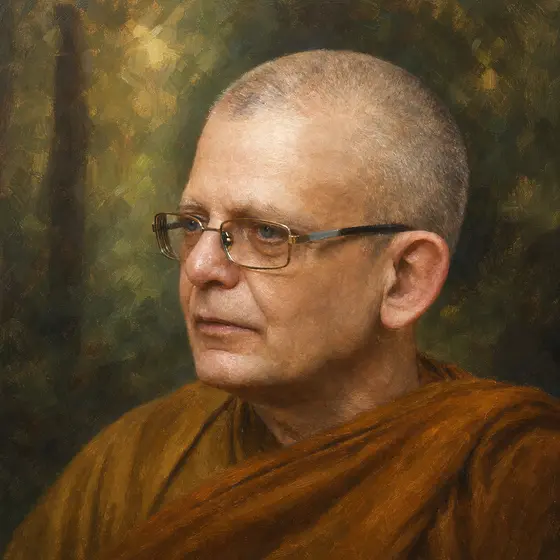
Talks by Ajahn Punnadhammo · Arrow River Forest Hermitage
Ajahn Punnadhammo teaches like a careful cartographer. The brahmavihāras with precise definitions. Emptiness as suññatā, not nihilism. Abhidhamma, cosmology, and noting practice when they are useful.
His strength is usable doctrine. He makes the map readable without turning practice into mere theory. When I want to understand what I am doing, not only feel better while doing it, I go here.
Luang Por Anan: Keep Knowing the Mind
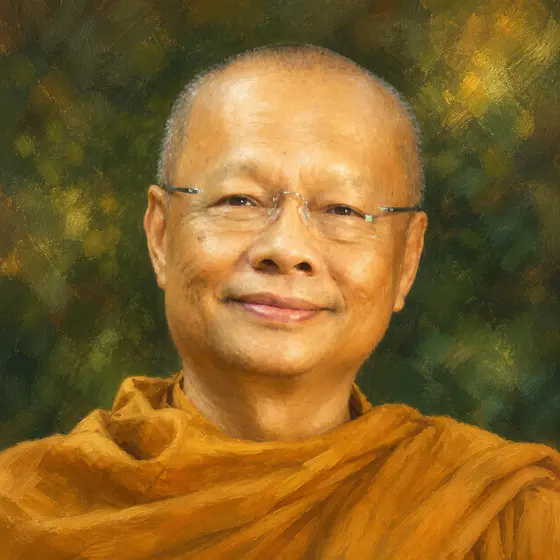
Ajahn Anan Dhamma · Wat Marp Jan
Luang Por Anan emphasises continuous knowing of the mind, supported by faith and the steady building of the pāramīs. The heart is trained patiently until delusion begins to lose its grip.
The flavour I hear is warm and faithful without becoming soft. Recollection of the Buddha sits beside rigorous observation of the mind. Aspiration matters. So does persistent seeing.
Ajahn Sona: Build the Conditions Deliberately
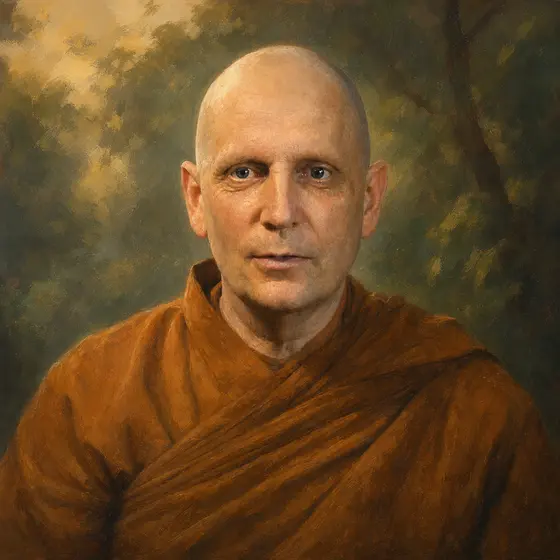
Talks by Ajahn Sona · Birken Forest Buddhist Monastery
Ajahn Sona teaches architecture: the seven factors of awakening, the role of samādhi, and the way different parts of the practice support one another.
His distinctive stress is that awakening has conditions. Mental qualities can be cultivated deliberately and in a useful sequence. If my practice feels vague or shapeless, his clarity is bracing.
Clear Mountain: Ajahn Kovilo and Ajahn Nisabho
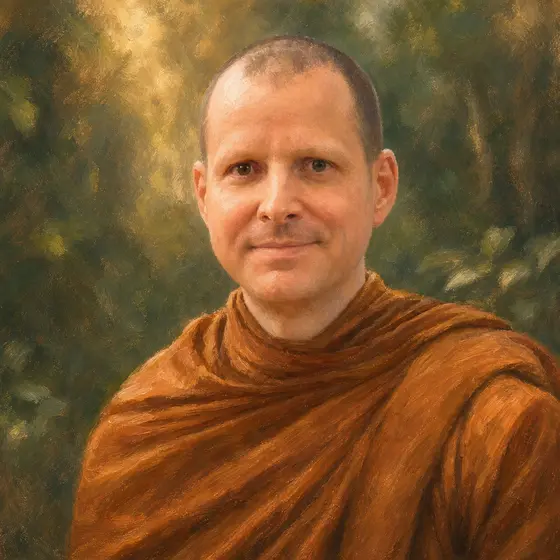
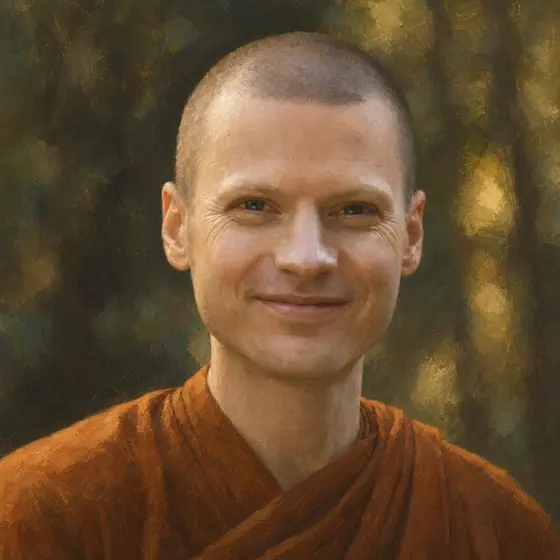
Clear Mountain Monastery on YouTube · Clear Mountain Monastery
Two younger monastics, one project, and a bright contemporary tone. Their talks move between daily practice, sutta study, and curiosity about how Theravāda meets the wider Buddhist world without losing the seriousness of the Vinaya.
Ajahn Kovilo often leans doctrinal and comparative. Ajahn Nisabho often leans contemplative and psychological. Together, their emphasis is lived modern monasticism: keep the heart bright, keep the precepts real, and keep asking good questions.
Ajahn Sumedho: The One Who Knows
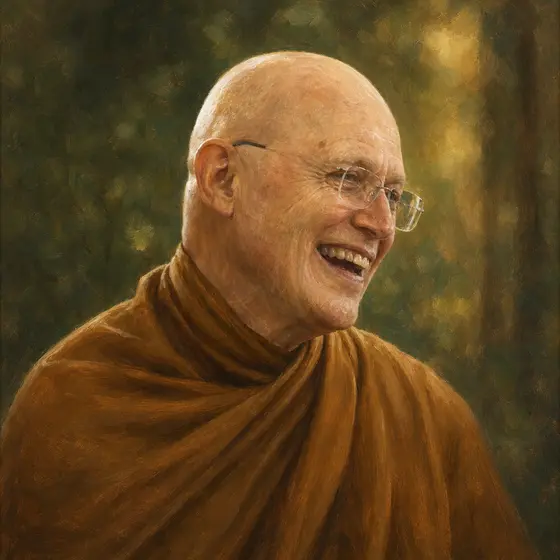
Ajahn Sumedho’s lever is awareness itself. Instead of making enlightenment into a future project, notice the knowing that is already present.
His teaching cuts through the achievement fantasy. Expectations create suffering, and practice can easily become another identity or self-improvement campaign. When I catch myself turning meditation into a performance review, Sumedho helps me drop the project.
Ajahn Achalo: Aspiration and Warmth
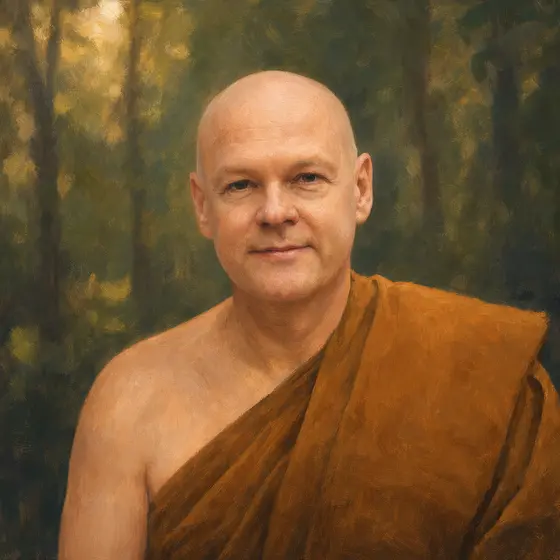
Ajahn Achalo offers encouragement with substance: questions about stream-entry, merit, mettā, and the emotional sincerity that keeps practice from drying out into technique.
The emphasis I hear is heart. Faith and aspiration are not embarrassing extras; they can be fuel. For an Australian practitioner, his voice also feels close to home.
Ajahn Dhammasiha: Use the Bad Sit
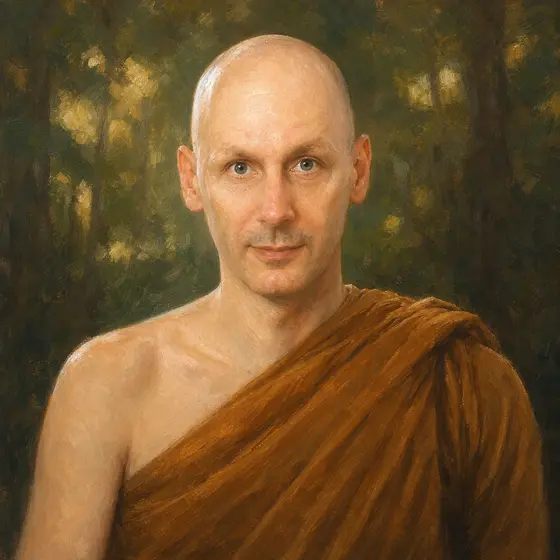
Dhamma Talks at Dhammagiri · Dhammagiri Forest Hermitage
This one is local for me. Ajahn Dhammasiha teaches a practice that survives contact with ordinary life: treat the hindrances as curriculum, be honest about the difference between laziness and tiredness, and value harmony without abandoning principle.
A “bad” meditation is not wasted if it shows me a defilement clearly. That is applied Dhamma at the monastery gate: work with the mind that actually arrived rather than the one I hoped would turn up.
Two Study Teachers Worth Naming
They are not “Ajahn on Sunday” teachers in quite the same way, but they shape how I hear everyone else.
Bhikkhu Bodhi
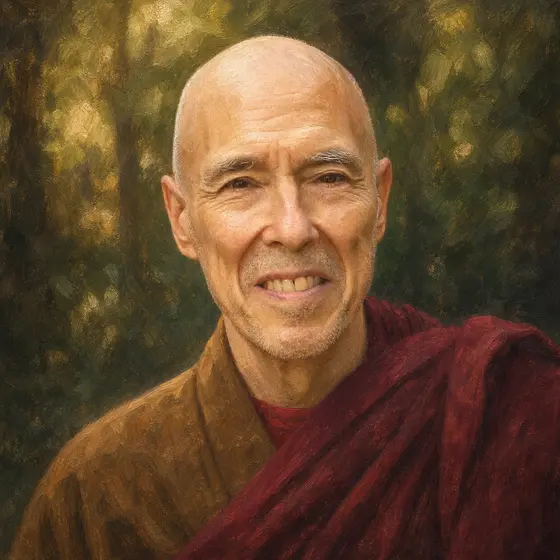
Bhikkhu Bodhi maps the path with scholarly care, showing how the faculties, powers, and factors of awakening form a coherent training. His talks are available through BAUS Chuang Yen Monastery.
Ajahn Sujato
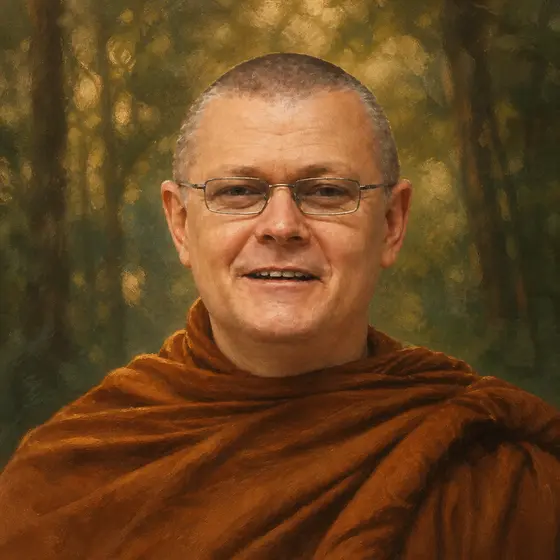
Ajahn Sujato keeps drawing attention back to early Buddhism and the suttas. His translations and teachings are available through SuttaCentral and talks hosted by different Buddhist communities. The question I take from his work is simple: what do the early texts actually say?
A Quick Map for Stuck Practice
When practice feels:
- Grim and forced: Try Ajahn Brahm.
- Vague and unfocused: Try Ajahn Sona or Thanissaro Bhikkhu.
- Overcomplicated: Return to Ajahn Chah or Ajahn Kalyano.
- Dry and technical: Try Ajahn Achalo or Luang Por Anan.
- Like another self-help project: Listen to Ajahn Sumedho.
- Emotionally reactive at home or work: Try Ajahn Kalyano or Ajahn Dhammasiha.
- Conceptually confused: Study with Ajahn Punnadhammo, Bhikkhu Bodhi, or Ajahn Sujato.
In one deliberately compressed line:
Mun burns. Chah releases. Kalyano brings release into ordinary life. Thanissaro engineers it. Brahm softens into it. Punnadhammo maps it. Sona scaffolds it. Sumedho rests in awareness. Dhammasiha applies it on Sunday morning.
My Next Action
Keep the daily sit. Keep offering Sunday dāna at Dhammagiri. For the next month, when the mind gets stuck, choose the teacher by medicine rather than habit: Brahm for grimness, Thanissaro for vagueness, Kalyano for reactivity in ordinary life, and Sumedho when practice starts turning into achievement.
There is no need to collect every teaching. Name what feels stuck, choose one useful emphasis, and test it in practice for a week. Then notice what changed.